Is Supima Cotton Good for Summer?

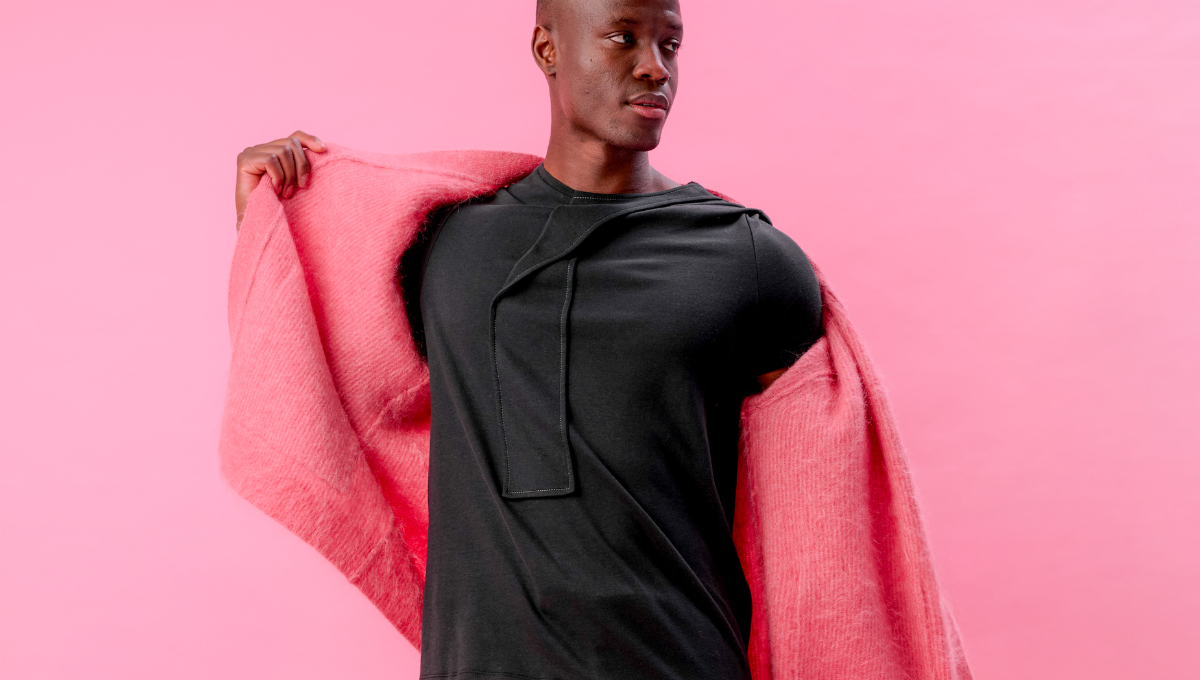
Yes, for most of what summer asks of you. Supima is breathable and draws sweat off your skin, which makes it very good in the heat you’re sitting in and less good in heat you’re running through, because cotton dries slowly.
You’ve probably learned some of this the hard way. At some point you’ve dressed for the hottest day of the year as if it were an ordinary one, in something heavy, and spent the day paying for it: on the Central line, stuck to the seat soon after, and wondering by lunch whether it would be acceptable to go home and change. (It wouldn’t. So you stayed.) How a day like that goes depends mostly on choices you made before leaving the house, and surprisingly little of it comes down to the word on the label.
Is Supima Cotton Breathable?
Yes. Cotton is one of the most breathable fibres in everyday use, and Supima is a high-grade cotton. But the word covers two separate properties that behave very differently in heat.
Airflow and absorption are not the same thing
Air permeability is how easily air passes through the fabric. It depends mostly on how the fabric was made: how tightly it was knitted, how thick the yarn is and how heavy the cloth is. It’s why a net curtain and a blackout blind can be made from the same fibre and behave nothing alike.
Moisture absorption is how readily the fibre takes up water. Cotton is hydrophilic, meaning it attracts water. Its moisture regain, the water it takes from the air at normal room conditions, is roughly 7 to 8.5 per cent of its own weight. When you sweat, it draws that sweat off your skin instead of leaving it there. That’s why good cotton feels cool and dry for a long time before it feels wet.
A fabric can be strong on one and weak on the other. Most marketing treats them as the same thing.
Where cotton wins, and where it does not
Cotton takes in sweat quickly and releases it slowly. In ambient heat, the everyday kind you sit or stroll through, that works well. On a walk along the South Bank, a long lunch in a garden or an evening on a terrace, moisture leaves your skin, spreads through the fabric and evaporates gradually, which cools you as it goes.
A dash for a train won’t do much harm. A run, a few sets of tennis or an hour in the gym is different. Under sustained exertion, the fibre saturates, and saturated cotton stays wet, gets heavy and stops breathing. For exercise, choose a quick-drying synthetic over any cotton, Supima included.
Did You Know?
Cotton is stronger wet than dry, which helps a good cotton T-shirt survive years of washing. It is also slow to release the water it absorbs, which is why a sweat-soaked one takes so long to dry.
Does Supima Breathe Better Than Standard Cotton?
Slightly, though not because the fibre itself is special.
Supima is an extra-long staple cotton grown in the United States, with fibresup to 35 per cent longerthan standard cotton. Longer fibres spin into a smoother, more even yarn. An even yarn lets a mill knit a more consistent fabric, with fewer thick spots that block the air.
So the difference is real but small, and it comes from the yarn. The fibre itself is no more porous than any other cotton, so claims that Supima keeps you much cooler may be overstating things.
The Variable That Matters More Than the Fibre
Fabric weight and knit structure predict how a garment behaves in heat far better than fibre content does. A heavy cotton twill breathes worse than a light synthetic jersey. A 200gsm cotton Oxford shirt will feel hotter on a thirty-degree afternoon than a 120gsm polyester T-shirt, whatever the label says about natural fibres.
A peer-reviewed study ofknitted fabrics worn against the skinfound that air permeability and moisture management varied widely between knits, and that heavier fabrics kept in more heat and moisture, whatever they were made of.
So when you’re buying for summer, ask for the weight before you ask about the fibre.
What Makes a Breathable T-Shirt
Four things, roughly in order of importance.
- Fabric weight. Lighter fabric lets more air through. For the hottest weather, roughly 120 to 170gsm is the range to look for, though it costs you some opacity and shape retention.
- Knit structure. An open single jersey breathes more than a dense interlock or a piqué. The looser the loops, the more air gets through.
- Fibre absorbency. Cotton and other plant fibres absorb sweat from the skin. Synthetics move it along without absorbing it, so they dry faster but feel different to wear.
- Fit. A garment with a little air between fabric and skin ventilates. One that clings does not, whatever it is made from. Fitted isn’t the same as tight, though. A well-cut T-shirt follows your shape and still leaves room to move.
Construction plays a part too. A soft, flat seam is more comfortable against warm, damp skin than a thick, raised one, and a neckband that keeps its shape looks as neat at the end of a hot day as it did in the morning.
Pro Tip:
Two T-shirts in the same fibre at different weights will differ more in summer comfort than two at the same weight in different fibres. If a brand won’t tell you its gsm, you can’t judge its summer claims.
Where W.Rubens Sits, Honestly
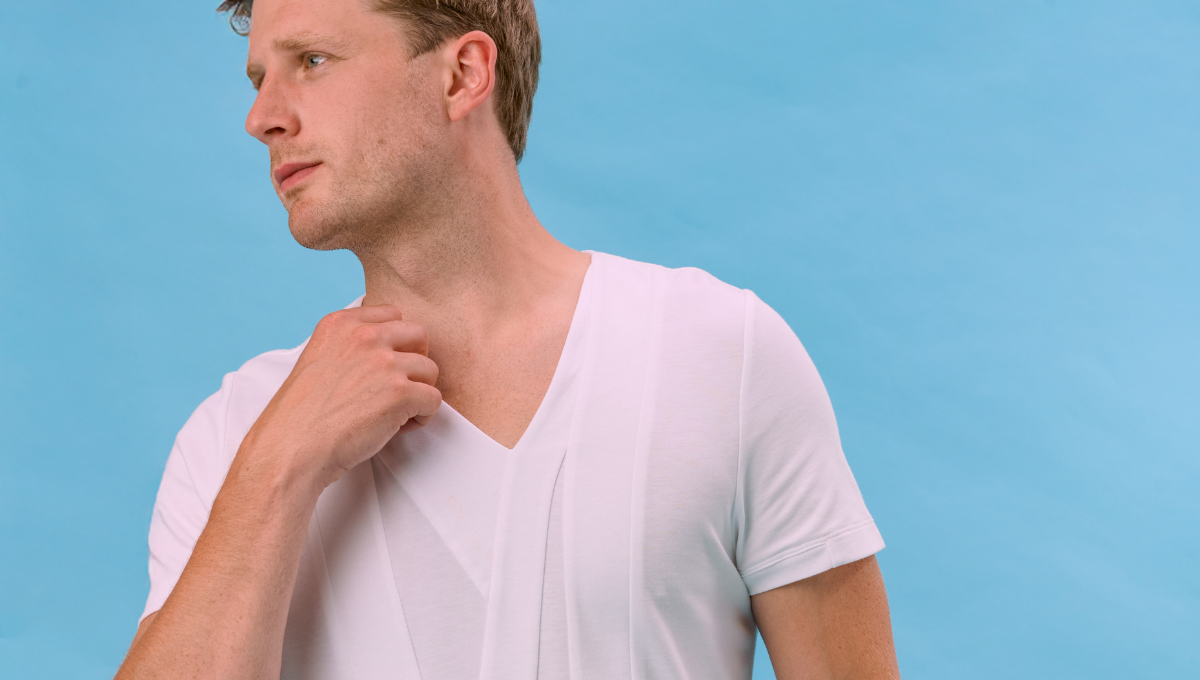
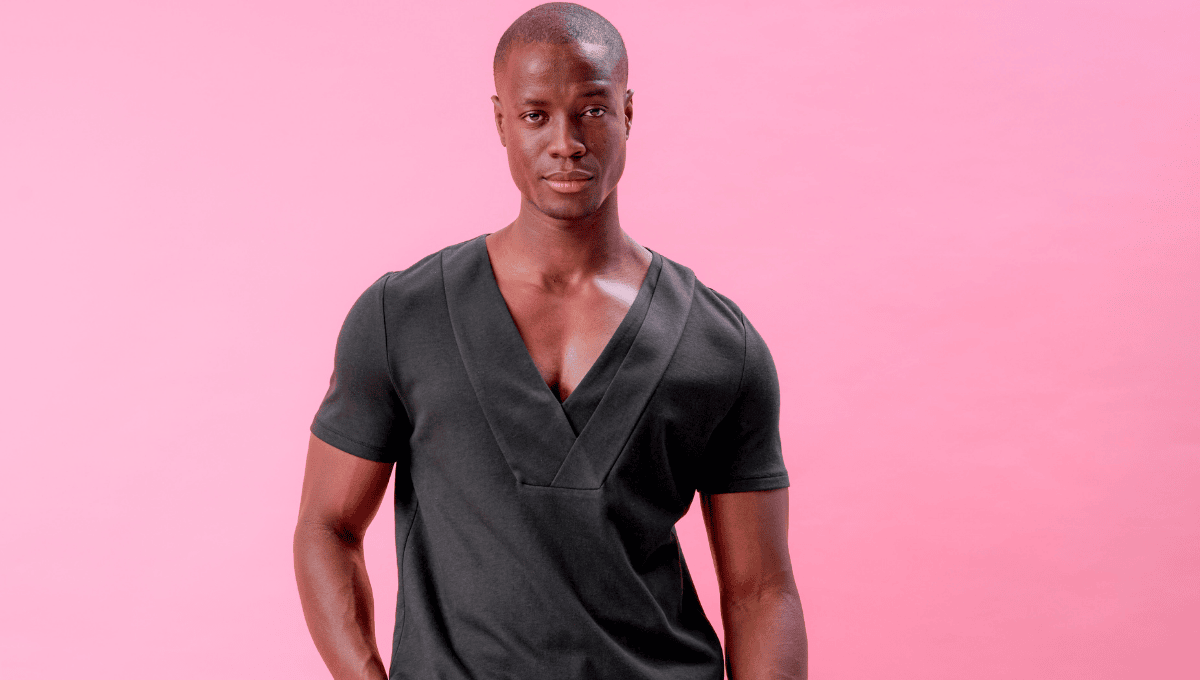
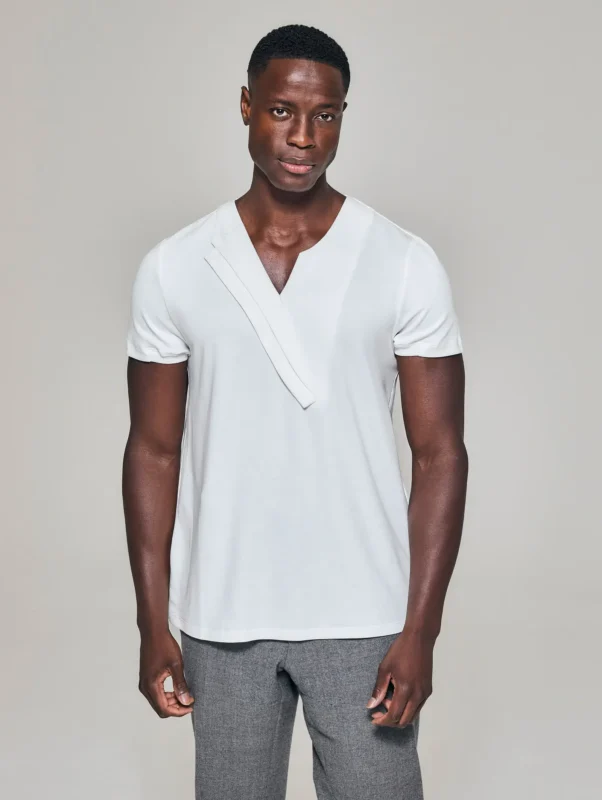
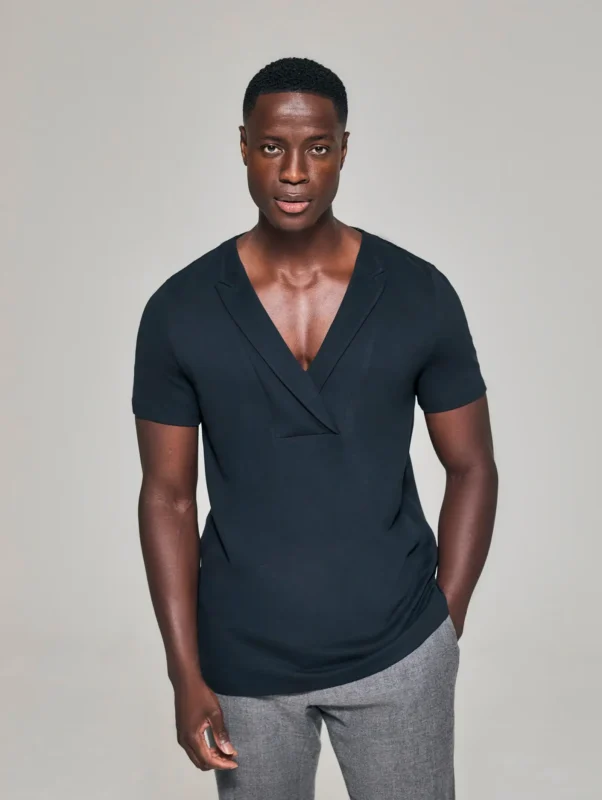
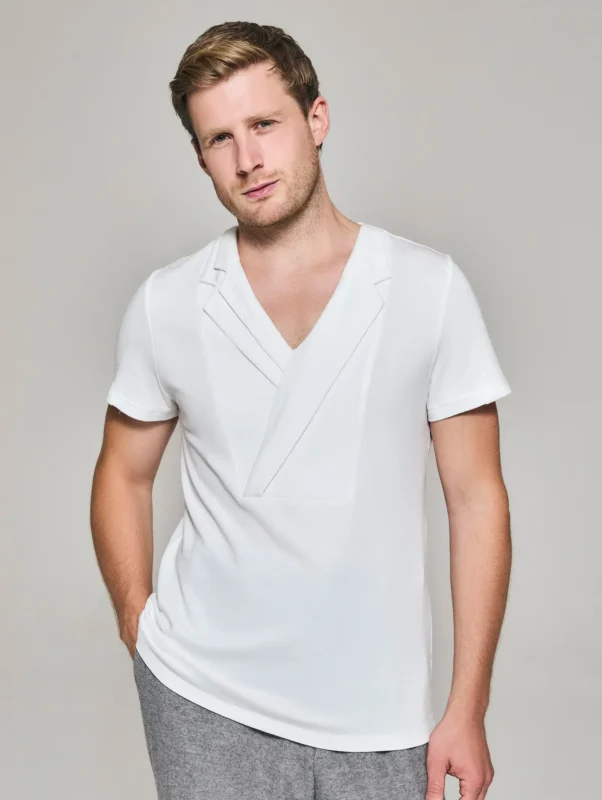
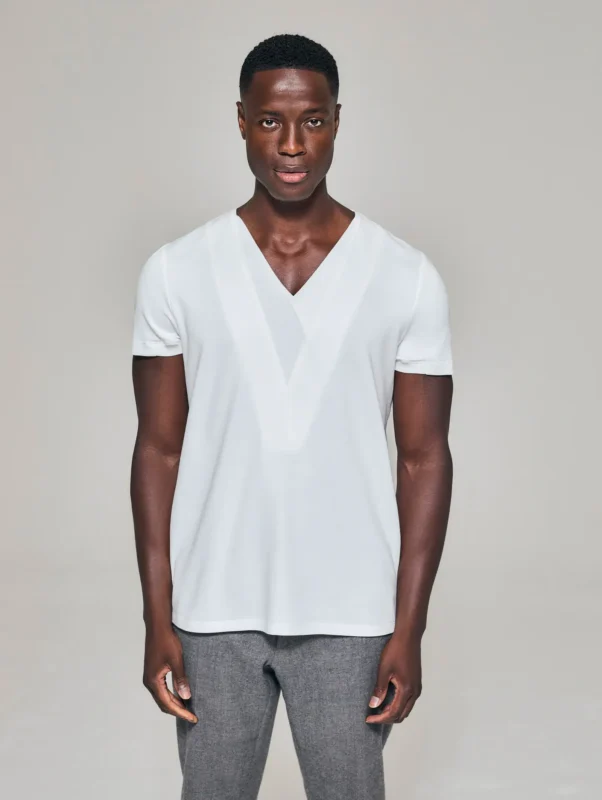
W.Rubens, a London menswear design house, designs its T-shirts for the way most summer days are actually spent: in the city, at a desk, over a long lunch. They weren’t built specifically for heatwaves, and we’d rather say so at the outset.
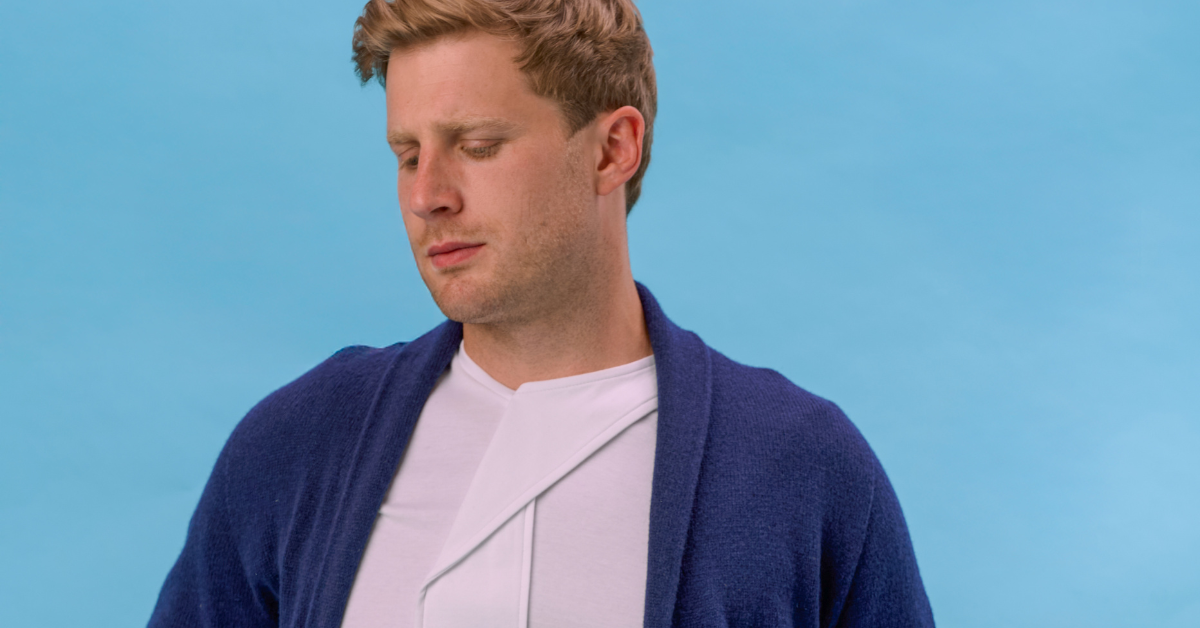
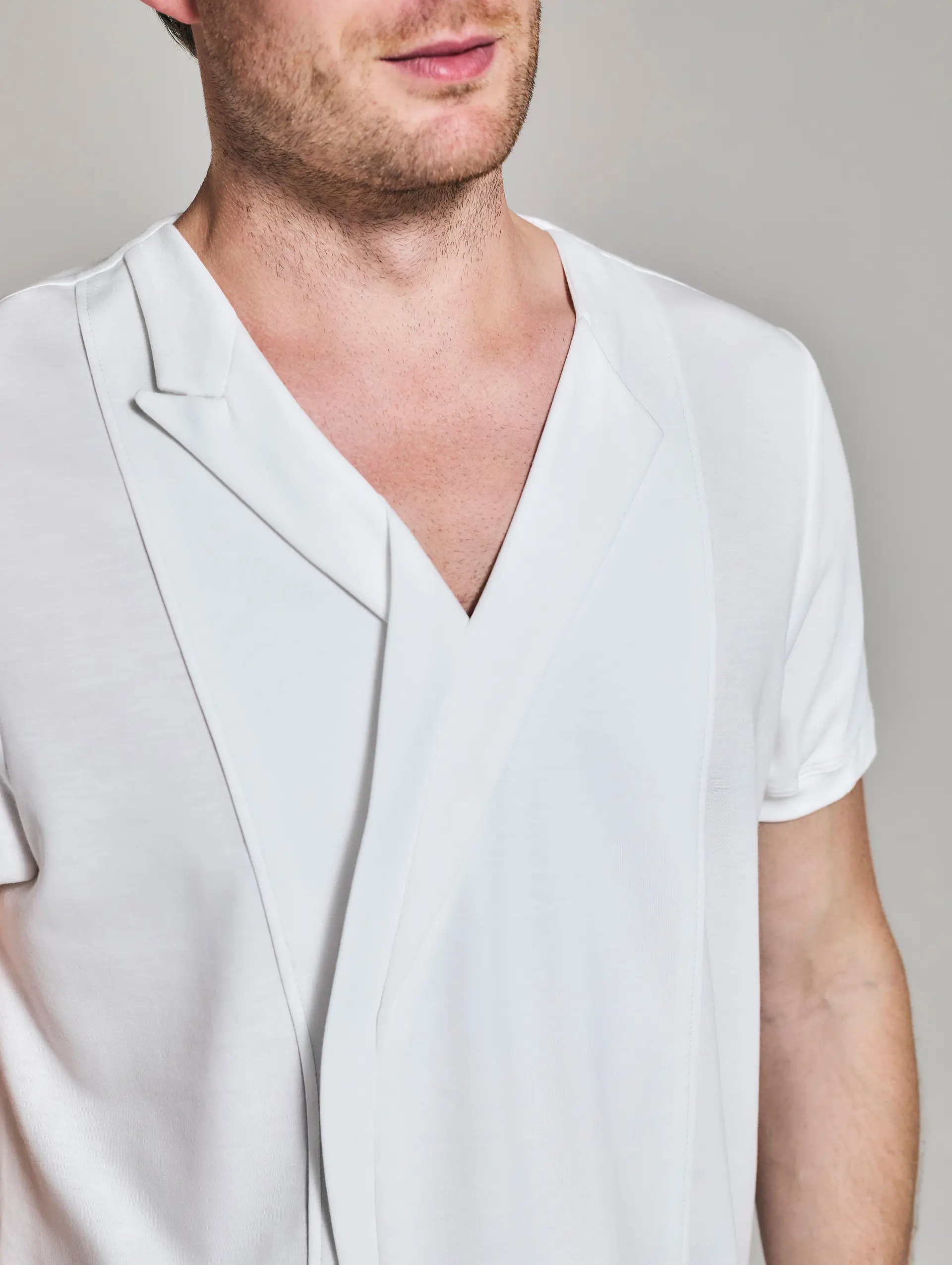
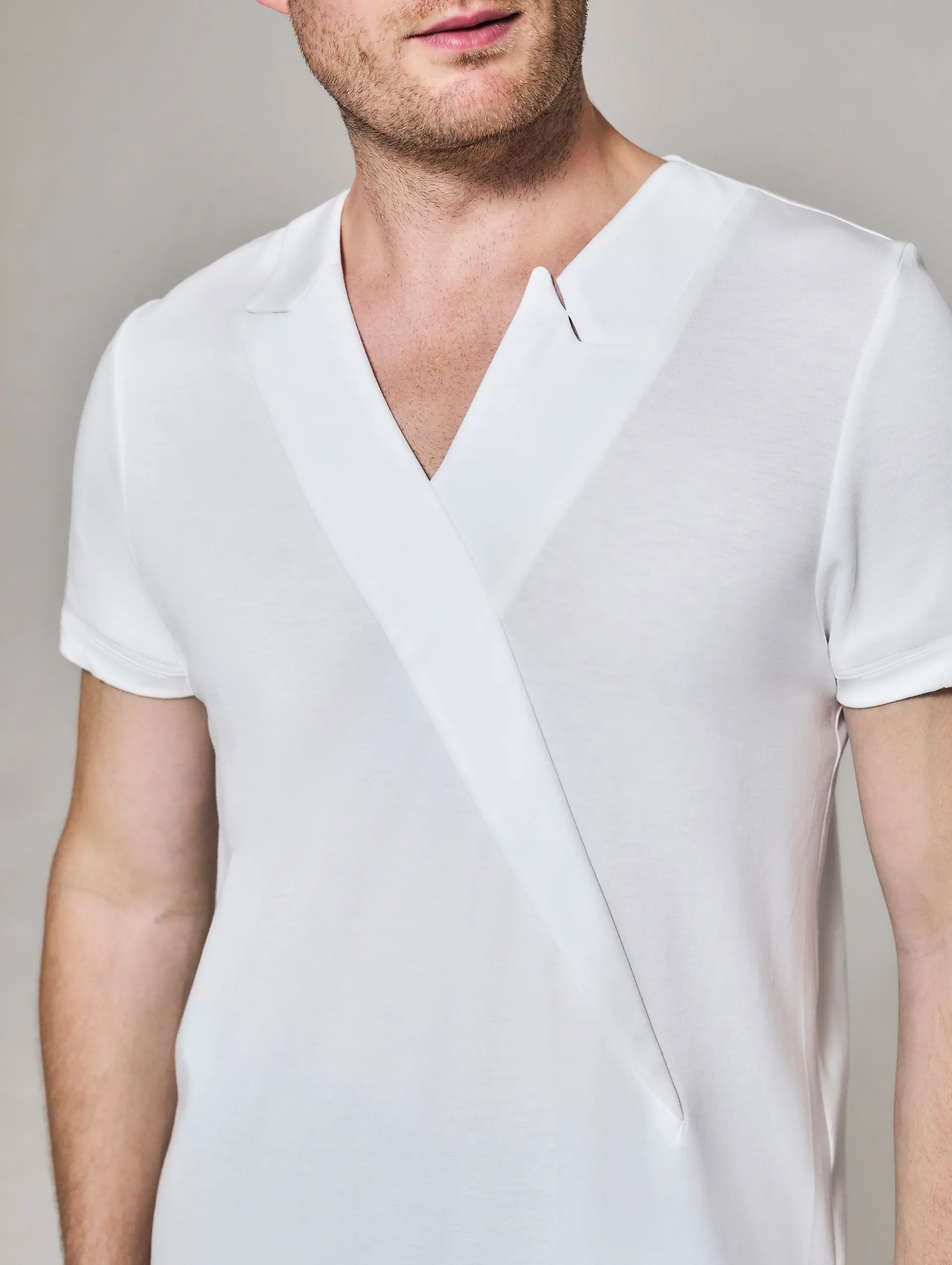
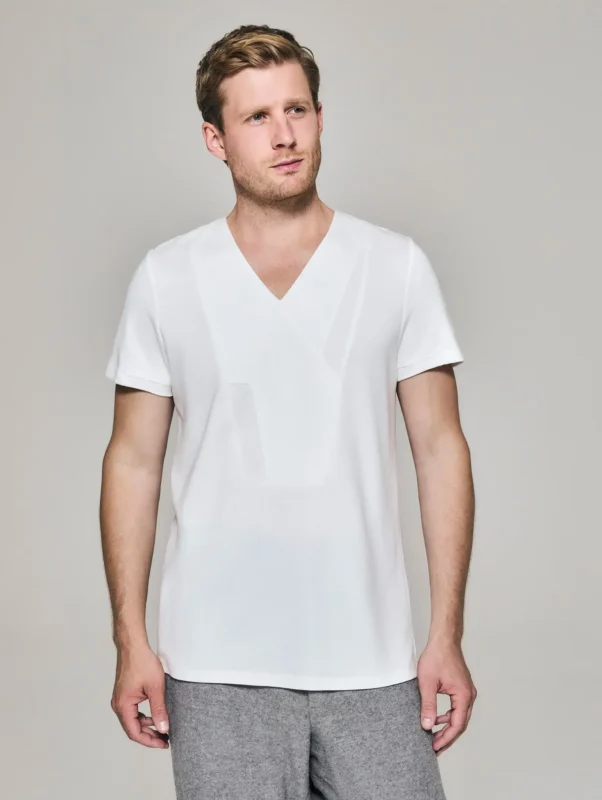
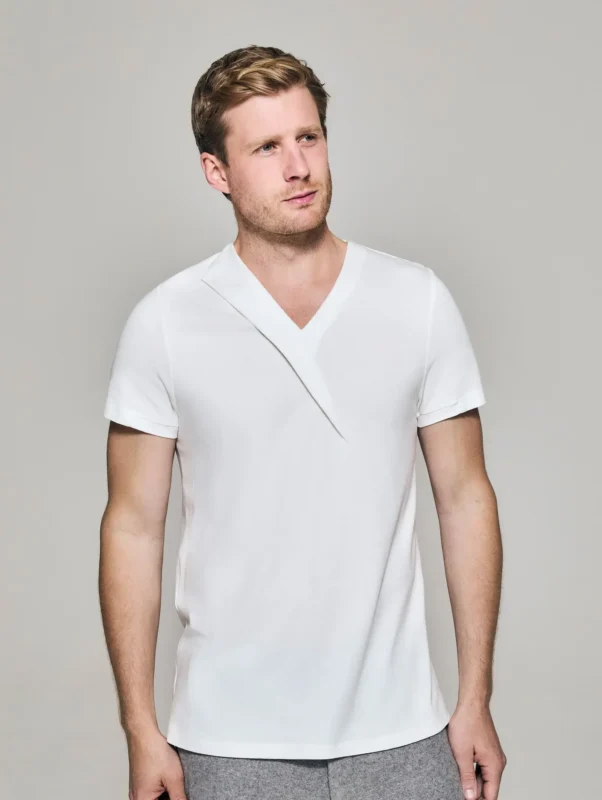
The established W.Rubens fabric has been a midweight of approximately 175gsm. Summer-weight T-shirts come in lower, and on the hottest afternoons they will let a little more air through. In return, the extra weight gives you opacity and shape. A lighter jersey can start to show what’s underneath, andopacity matters most in white, one of the two W.Rubens signature T-shirts alongside black. W.Rubens cuts its T-shirts from a proprietary slim-fit block, tailored to follow the body rather than cling to it, so air still moves.
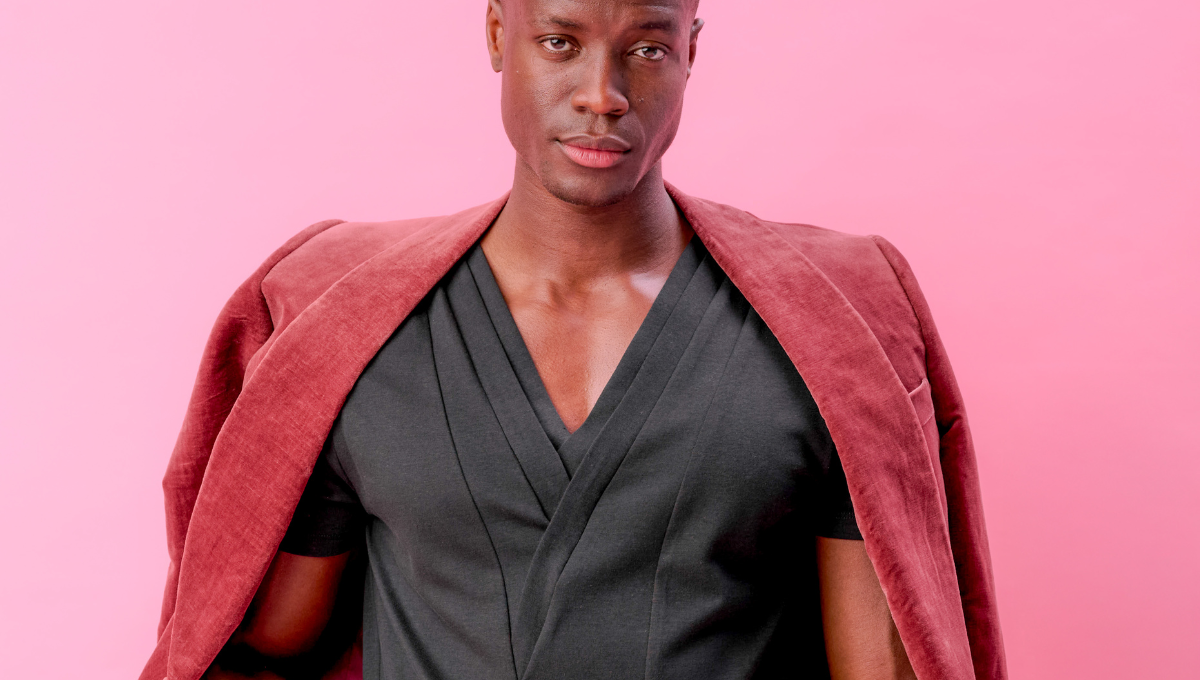
The fabric has been 94 per cent Supima cotton and 6 per cent polyamide. Polyamide is a synthetic that absorbs less water than cotton, so it doesn’t help breathability. It’s there to give the fabric structural integrity for details such as lapels, shawls and criss-cross constructions, and at 6 per cent its effect on how the fabric handles sweat is very small. For more details on how the fabric stretches and springs back into shape, see our guide towhether Supima cotton stretches.
The cotton has been grown in California, then spun, knitted and dyed in Busto Arsizio, Italy, before each T-shirt is handcrafted in North London. Our guide towhat Supima cotton iscovers the fibre in more depth.
In a severe heatwave, a lighter T-shirt will feel cooler. For most summer days, a midweight is the better balance.
Conclusion
Supima is a good choice for everyday summer heat and a poor one for exercise, which is true of cotton in general. It breathes well, draws sweat away from your skin and feels cool, but it dries slowly. The longer fibre helps a little by making a more even knit, but weight and construction make a much bigger difference.
Before your next summer purchase, ask for the fabric weight before the fibre story, and check it against how you will spend your hot days. If you’ll be washing it often, our guide to whether Supima cotton shrinks will help it keep its size.
The Central line won’t get any cooler, but you can.
Explore theW.Rubens T-shirt collection, handcrafted in North London for the kind of summer the city actually has.
Frequently Asked Questions
Q. Is Supima cotton breathable?
Yes. Cotton is among the most breathable fibres available, and Supima’s longer, smoother yarn allows a more even knit, which helps airflow slightly. The larger factors are fabric weight and knit structure rather than the fibre itself.
Q. Is Supima cotton good for hot weather?
For ambient heat, yes. It absorbs sweat off the skin and cools as that moisture evaporates. For sustained exercise it is a poor choice, because cotton saturates and then stays wet rather than drying quickly.
Q. What gsm is best for a breathable summer T-shirt?
Roughly 120 to 170gsm maximises airflow for hot weather, at the cost of some opacity and shape retention. Around 175gsm is a midweight that balances breathability against durability and stays opaque, which is most noticeable in white.
Q. Does Supima cotton breathe better than regular cotton?
Marginally. The advantage comes from a smoother, more even yarn producing a more consistent knit, not from the fibre being more porous. Any claim of a dramatic difference overstates what longer staple length does.
Q. Is cotton or polyester better for summer?
It depends on the activity. Cotton is more comfortable in ambient heat because it absorbs sweat and feels cool. Polyester dries far faster, which makes it better for exercise. Fabric weight affects both more than fibre choice does.